

Glass Balustrades: Stylish & Safe Modern Solutions
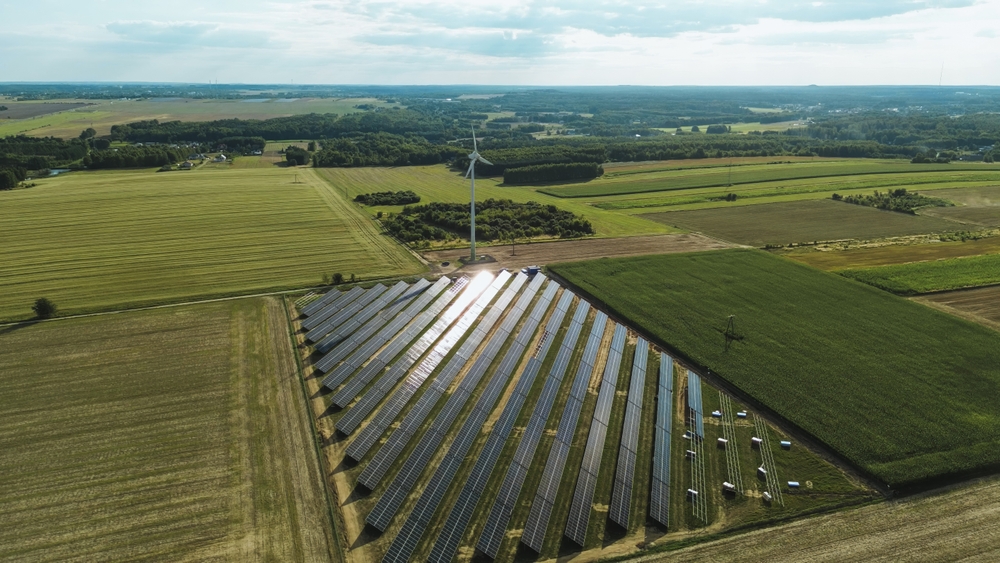
As the UK accelerates its transition towards net zero, the power and renewables sector is expanding at an unprecedented rate. Developing onshore wind farms, utility-scale solar parks, and associated battery energy storage systems (BESS) requires extensive civil engineering across vast swathes of countryside. However, building clean energy infrastructure presents a distinct logistical paradox: the very equipment required to construct eco-friendly installations can cause substantial, long-term environmental damage to the surrounding land if site access is not managed correctly.
Delivering multi-tonne wind turbine components, transformer units, and thousands of solar mounting racks involves moving heavy plant, cranes, and delivery HGVs across agricultural pasture, moorland, or ecologically sensitive greenfield sites. Without a robust temporary access strategy, heavy machinery quickly churns soft topsoil into rutted, waterlogged landscapes, leading to severe soil compaction, project downtime, and spiralling land reinstatement costs.
At All Weather Access, we regularly partner with renewable energy developers, main contractors, and civil engineers across the UK. By supplying tailored ground protection matting solutions, we ensure that site access remains safe, reliable, and compliant with environmental regulations throughout every phase of construction.
In this comprehensive guide, we examine the structural demands of renewable energy construction, compare ground protection strategies for solar versus wind developments, and detail how temporary roadways protect both your project budget and the underlying landscape. For more information about our services, please don’t hesitate to contact us today!
The Civil Engineering Challenge: Heavy Loads on Fragile Ground
Renewable energy projects are predominantly sited in remote or rural locations to maximise natural resources such as wind yield and solar irradiance. While these environments are ideal for clean power generation, the underlying ground rarely possesses the natural load-bearing capacity required for high-frequency, high axle weight traffic.
1. Extreme Axle Loads & Subsoil Compaction
Wind Farm Construction
Moving wind turbine generators (WTGs) involves specialised heavy haulage transporters carrying nacelles weighing in excess of 100 tonnes, massive tower sections, and long turbine blades. Furthermore, assembling these structures requires high-capacity crawler or mobile cranes. Setting up main crane hardstandings needs a temporary pad capable of supporting immense point loads without surface displacement or outrigger sinkage.
Solar Farm Construction
While individual delivery vehicles for solar arrays are generally lighter than wind turbine transports, solar developments cover significantly larger surface areas. Construction involves thousands of repeated movements by tracked pile drivers, trenchers, telehandlers, and 40-tonne flatbed delivery lorries operating along narrow, soft-ground access corridors.
2. Unpredictable UK Weather & Seasonal Downtime
The UK climate is notoriously unpredictable. Prolonged rainfall, winter frost thaws, and poor natural drainage can transform firm topsoil into deep, impassable mud in a matter of hours. When heavy plant or delivery lorries get bogged down, site operations grind to a halt. Vehicle recovery burns valuable time, increases fuel consumption, and introduces severe health and safety risks.
3. Environmental Compliance & Land Reinstatement Obligations
Planning permissions, landowner agreements, and environmental agency guidelines state that construction sites must be restored to their original agricultural or ecological condition upon project completion. Deep rutting, topsoil mixing, and subsoil compaction ruin soil aeration and natural land drainage. Restoring damaged soil structure after a project requires extensive subsoiling, re-grading, and reseeding, inflating post-construction reinstatement budgets.
These challenges demonstrate why ground conditions must be considered as carefully as the engineering itself. Without effective ground protection in place, even well-planned renewable energy projects can face costly delays, increased environmental impact, and unnecessary risks to both personnel and equipment.
Ground Protection Solutions: Solar vs Wind Applications
No two renewable projects are identical. Selecting the correct ground protection system requires assessing axle weights, vehicle frequency, ground conditions, and project duration.
| Operational Factor | Solar Park Applications | Wind Farm Applications |
|---|---|---|
| Primary Structural Demand | Medium duty access tracks, wide area coverage, rapid relocation | Heavy duty pads, high point load capacity, extreme durability |
| Typical Matting Solutions | Medium duty composite mats (e.g. EuroMat, Euromat Lite, Economat) | Heavy duty interlocking composite panels (e.g. TuffTrak, SignaRoad) |
| Key Operational Risks | Topsoil churn, micro trenching damage, mud tracking onto public highways | Outrigger sinkage, bridge crossing overload, heavy haulage bogging down |
| Project Logistics | High speed, continuous deployment across broad acreage | Concentrated heavy loading at specific pad and compound locations |
| Handling Method | Manual hand-lay (2-person) or light plant installation | Mechanised installation via HGV Hiab, forklift, or excavator |
Choosing the right ground protection solution is essential for maintaining productivity, protecting the environment, and ensuring the safe movement of personnel, vehicles, and equipment. By matching the matting system to the specific demands of each renewable energy project, contractors can minimise downtime, reduce ground damage, and keep construction progressing efficiently from start to finish.
The 6 Benefits of Using Temporary Ground Protection Mats on Renewable Sites
1. Superior Weight Distribution and Soil Structure Preservation
The core physical principle behind temporary ground protection is load spreading. When a heavy axle drives over bare ground, the weight is concentrated on a small tyre footprint, exerting high pressure directly onto the subsoil. Heavy-duty interlocking ground protection mats dissipate this concentrated downward force across a significantly larger surface area. Spreading point loads prevents subsoil compaction, preserves natural soil pores, and maintains natural water drainage, ensuring agricultural land remains viable post-decommissioning.
2. Enhanced Health, Safety, and Vehicle Traction
Site safety is paramount. Wet topsoil and uneven ground significantly increase the risk of vehicle rollover, jack-knifing, and slip or trip accidents for site staff. Quality ground protection mats feature engineered anti-slip tread profiles that give tyres and tracks high traction in wet or icy conditions. Creating a firm, level, and predictable driving surface allows drivers and plant operators to navigate site haul roads with complete confidence.
3. All Weather Continuity and Schedule Control
Project delays in the renewable sector can result in severe financial penalties, particularly when grid connection deadlines are fixed. Temporary ground protection matting provides an all-weather working platform, enabling construction to proceed continuously regardless of rain or mud. Eliminating weather-dependent downtime keeps sub-contractors moving and ensures critical milestones are met.
4. Cable Trenching and Utility Protection
Constructing solar parks and wind farms requires laying miles of underground medium voltage (MV) and high voltage (HV) cabling to connect arrays to on-site substations. Before these trenches are fully consolidated, driving heavy machinery across backfilled cable routes risks crushing conduits and damaging expensive high voltage infrastructure. Laying temporary matting over sensitive utility corridors bridges the load, distributing weight away from underlying cables.
5. Preventing Highway Contamination
Local planning authorities strictly regulate site traffic to prevent mud and debris from being tracked off construction sites onto public highways. Running delivery vehicles on clean, temporary composite roadways drastically reduces mud accumulation on tyres, minimising the need for continuous road sweeping operations at site egress points.
6. Substantial Cost Savings on Reinstatement
While renting or purchasing ground protection mats represents an upfront capital expenditure, it yields substantial net savings across the project lifecycle. Avoiding deep ground damage reduces the need for imported stone aggregate, eliminates heavy land remediation costs, and protects contractors from land damage claims by agricultural landowners.
Selecting the Right Matting Tier for Your Site
At All Weather Access, we offer a complete hierarchy of ground protection products designed for varying load profiles and terrain types:
Heavy Duty Interlocking Mats (e.g. TuffTrak, SignaRoad)
Applications: Main haul roads, HGV turning pads, central laydown compounds, wind turbine delivery routes, and crane hardstandings.
Features: Engineered from high-density polyethene (HDPE) or composite materials, these massive panels feature overlapping interlocking edge systems. This creates a continuous, rigid surface that prevents mud from seeping up through joins while supporting axle loads exceeding 100+ tonnes.
Medium Duty Mats (e.g. EuroMat)
- Applications: Solar panel installation corridors, telehandler access lanes, site office compounds, and light vehicle parking.
- Features: Standard 8′ x 4′ (2.4m x 1.2m) panel sizes equipped with integrated handles for efficient two-person manual installation. They provide an ideal surface for rubber-tyred vehicles, cars, vans, and light plant without requiring heavy lifting machinery.
Pedestrian and Temporary Pathway Systems (e.g. Fastcover)
- Applications: Site office walkways, public footpath diversions around construction perimeters, and worker access.
- Features: Lightweight, anti-slip surface tiles that join quickly to prevent trip hazards and protect underlying grass in high footfall areas.
Selecting the appropriate matting system for each area of your site helps maximise safety, improve operational efficiency, and minimise unnecessary ground disturbance. With the right combination of heavy-duty, medium-duty, and pedestrian access solutions, renewable energy projects can continue safely and efficiently, regardless of the terrain or weather conditions.
End-to-End Ground Protection Services with All Weather Access
Managing site logistics effectively requires more than just hiring equipment; it requires a reliable ground protection partner. At All Weather Access, we provide a complete, end-to-end service tailored to the specific needs of the renewables industry across the UK:
- Comprehensive Site Survey
Our experienced technical team assesses site topography, soil types, access restrictions, and expected axle loads to recommend the exact matting specification needed. - Nationwide Haulage and Delivery
Operating from our main base in Essex, we coordinate efficient logistics to deliver equipment directly to remote project locations nationwide. - Professional Installation and De-rig
Our certified installation crews handle the rapid laying, jointing, and eventual removal of ground protection matting, ensuring full compliance with site health and safety standards. - Flexible Hire or Purchase Options
We offer short-term hire, long-term project hire, or direct purchase options, alongside dry-hire arrangements if you prefer to lay the matting using your own site team. - Panel Cleaning and Maintenance
Upon project completion, we handle full contract cleaning and washing of hire panels, taking the hassle out of site demobilisation.
By managing every stage of the process, from the initial site assessment through to collection and maintenance, we provide a seamless solution that keeps your project running efficiently. Whether you’re constructing a solar farm, wind farm, or another large-scale infrastructure development, All Weather Access delivers the expertise, equipment, and nationwide support needed to protect your site and keep your project on schedule. Contact us today to discuss your requirements!
FAQs
What is the best ground protection mat system for heavy plant on wind farm sites?
Heavy-duty interlocking composite panels such as TuffTrak or SignaRoad offer the highest load-bearing capacity and lateral stability for wind turbine transport and heavy plant assembly.
How do temporary access roads prevent soil compaction on agricultural land?
Ground protection mats distribute concentrated vehicle weight over a much larger surface area, significantly reducing ground pressure. This prevents structural breakdown of the subsoil, maintaining natural aeration and drainage pathways required for farming post-construction.
Are ground protection mats suitable for use over backfilled cable trenches?
Yes. Laying heavy-duty or medium-duty mats across cable trenching routes creates a bridging effect, spreading axle loads away from buried conduits and protecting underground high voltage cabling from crush damage.
Do you offer installation and de-rigging services for solar park developments?
Yes, All Weather Access provides full site surveys, delivery, professional installation, de-rigging, and panel cleaning services nationwide.
Can ground protection mats be installed on uneven or sloping ground?
Composite ground protection mats are manufactured with semi-flexible polymers that allow them to conform to gentle ground contours while maintaining structural integrity and a traction-enhanced driving surface.
Keep Your Renewable Energy Project Moving Forward
Don’t let soft ground or wet weather disrupt your construction timeline. Implementing a professionally engineered ground protection strategy protects your budget, ensures worker safety, and preserves the natural environment.
Contact the expert team at All Weather Access today to discuss your site requirements, request a free site survey, or obtain a tailored quote for your next solar or wind farm project.
- Email: info@all-weatheraccess.co.uk
- Phone: 01371 700 510
- Web: www.all-weatheraccess.co.uk